设为首页
收藏本站
首页
光电资讯
光电论坛
科技博客
互动社区
光电小圈
精选话题
Collection
社区排行
登录
登录
行业动态
科技新知
会展会议
行业人物
光电科普
技术百科
光电商情与信息交流
光电理论及应用技术
光电同行在线互动区
每日一记
精彩分享
社区图库
光电工程师社区
»
光电论坛
›
光电理论及应用技术
›
光学设计与光学软件应用
›
哪种光学软体能仿真干涉或衍射条纹?
返回列表
发新帖
哪种光学软体能仿真干涉或衍射条纹?
5.5k
7
chiangshu
Lv.9
发表于
2004-4-8 01:25:00
|
江苏
|
查看全部
阅读模式
<P>哪种光学软体能仿真干涉或衍射条纹?</P>
<P>TKS!</P>
回复
转播
使用道具
举报
提升卡
置顶卡
沉默卡
喧嚣卡
变色卡
抢沙发
千斤顶
显身卡
回复
|
共 7 个
chiangshu
楼主
Lv.9
发表于
2004-4-10 04:59:00
|
江苏
|
查看全部
<P 0cm 0cm 0pt"><FONT size=3><B><FONT face="Times New Roman">OPTIWAVE </FONT></B><B>公司推出的模拟软件功能强大,界面友好,操作方便,主要包括以下七大系列:<FONT face="Times New Roman"> <p></p></FONT></B></FONT></P><P 0cm 0cm 0pt"><B><FONT face="Times New Roman"><FONT size=3> <p></p></FONT></FONT></B></P><P 0cm 0cm 0pt"><FONT size=3><B><FONT face="Times New Roman">(1). OptiSystem</FONT></B><B>,光通信系统设计软件<FONT face="Times New Roman"> <p></p></FONT></B></FONT></P><P 0cm 0cm 0pt"><FONT size=3><B><FONT face="Times New Roman"> OptiSystem </FONT></B><B>是一个创新的光通信系统仿真软件包,可在物理层对任何类型光学链路进行设计、测试、优化,适用于极为广泛的光学网络,从长途系统到<FONT face="Times New Roman">LANs </FONT></B><B>及<FONT face="Times New Roman">MANs. <p></p></FONT></B></FONT></P><P 0cm 0cm 0pt"><FONT size=3><B><FONT face="Times New Roman">(2). OptiAmplifier</FONT></B><B>,光纤放大器及激光器设计软件<FONT face="Times New Roman"> <p></p></FONT></B></FONT></P><P 0cm 0cm 0pt"><FONT size=3><B><FONT face="Times New Roman"> </FONT></B><B>光纤放大器及激光器设计软件<FONT face="Times New Roman">OptiAmplifier </FONT></B><B>是一套可以对光纤激光器,<FONT face="Times New Roman">EDFA</FONT></B><B>,<FONT face="Times New Roman">Raman </FONT></B><B>放大器及<FONT face="Times New Roman">EDFA/Raman</FONT></B><B>混合放大器进行设计和优化,功能强大的仿真软件,与<FONT face="Times New Roman">OptiSystem </FONT></B><B>完全兼容<FONT face="Times New Roman">. <p></p></FONT></B></FONT></P><P 0cm 0cm 0pt"><FONT size=3><B><FONT face="Times New Roman">(3). OptiBPM</FONT></B><B>,波导光学模拟软件系统<FONT face="Times New Roman"> <p></p></FONT></B></FONT></P><P 0cm 0cm 0pt"><FONT size=3><B><FONT face="Times New Roman"> OptiBPM </FONT></B><B>波导光学模拟软件系统,利用光束传播方法(<FONT face="Times New Roman">Beam Propagation Method</FONT></B><B>),逐步地模拟光在任意导波介质中的传输特性,可解决许多集成及光纤波导难题,是世界上最著名的光波导器件设计和模拟软件之一。其中<FONT face="Times New Roman">WDM_Phasar </FONT></B><B>模块是一个可对基于<FONT face="Times New Roman">AWG </FONT></B><B>的光学复用<FONT face="Times New Roman">\</FONT></B><B>解复用器及路由器进行模拟设计的强有力工具。<FONT face="Times New Roman"> <p></p></FONT></B></FONT></P><P 0cm 0cm 0pt"><FONT size=3><B><FONT face="Times New Roman">(4). OptiFDTD</FONT></B><B>,时域光子学仿真软件<FONT face="Times New Roman"> <p></p></FONT></B></FONT></P><P 0cm 0cm 0pt"><FONT size=3><B><FONT face="Times New Roman"> OptiFDTD </FONT></B><B>是一种时域光子学模拟软件,它利用有限差分时域(<FONT face="Times New Roman">Finite Difference Time Domain</FONT></B><B>)方法,直接在时域内解<FONT face="Times New Roman">Maxwell </FONT></B><B>方程,适用于高级无源及非线性光子学器件的模拟设计,<FONT face="Times New Roman"> </FONT></B><B>如<FONT face="Times New Roman">PBG </FONT></B><B>材料及各种非线性,色散材料器件。<FONT face="Times New Roman"> <p></p></FONT></B></FONT></P><P 0cm 0cm 0pt"><FONT size=3><B><FONT face="Times New Roman">(5). OptiGrating</FONT></B><B>,集成及光纤光栅设计软件<FONT face="Times New Roman"> <p></p></FONT></B></FONT></P><P 0cm 0cm 0pt"><FONT size=3><B><FONT face="Times New Roman"> OptiGrating </FONT></B><B>是一款卓越的集成及纤维光学光栅设计软件,可用于设计光栅<FONT face="Times New Roman">OADM</FONT></B><B>,窄带<FONT face="Times New Roman">/</FONT></B><B>宽带光纤及波导滤波器,光纤布喇格反射器,<FONT face="Times New Roman">EDFA </FONT></B><B>增益平坦滤波器,色散补偿器,光纤及波导传感器等等。<FONT face="Times New Roman"> <p></p></FONT></B></FONT></P><P 0cm 0cm 0pt"><FONT size=3><B><FONT face="Times New Roman">(6). OptiFiber</FONT></B><B>,光纤设计软件<FONT face="Times New Roman"> <p></p></FONT></B></FONT></P><P 0cm 0cm 0pt"><FONT size=3><B><FONT face="Times New Roman"> </FONT></B><B>光纤设计模拟软件<FONT face="Times New Roman">OptiFiber, </FONT></B><B>可以设计各种光纤及光纤传感器,计算光纤所支持的基模及高阶模式的特性,并且优化这些特性与光纤技术参数之间的相关性,还可以计算光纤中的双折射效应及<FONT face="Times New Roman">PMD. <p></p></FONT></B></FONT></P><P 0cm 0cm 0pt"><FONT size=3><B><FONT face="Times New Roman">(7). OptiHS</FONT></B><B>,半导体异质结模拟软件<FONT face="Times New Roman"> <p></p></FONT></B></FONT></P><B> 迄今几乎所有用于光通信系统的有源器件均采用多层ⅢV 族半导体异质结结构作为物理介质,其光学特性由电子学方法来控制。半导体异质结模拟软件HS_Design 可以对所有这类器件进行模拟和设计,其中包括半导体激光器、光电二极管、行波放大器、波长转换器、调制器,开关及路由器等等。 </B>
回复
支持
反对
使用道具
举报
显身卡
chiangshu
楼主
Lv.9
发表于
2004-4-10 05:01:00
|
江苏
|
查看全部
<P 0pt? 0cm><FONT size=3><B><FONT face="Times New Roman">OptiBPM</FONT></B><B>是什么<FONT face="Times New Roman">?
</FONT></B></FONT>
<p>
<P 0pt? 0cm><FONT size=3><B><FONT face="Times New Roman">OptiBPM</FONT></B><B>是一套功能强大、使用者介面友善且可利用电脑辅助设计的设计模拟软体,并可设计及解决不同的积体及光纤导波问题。光束传播法,或称为<FONT face="Times New Roman">BPM</FONT></B><B>是<FONT face="Times New Roman">OptiBPM</FONT></B><B>的核心,而其是一种一步接着一步来模拟光通过任何波导物质的行为。在积体及光纤光学中,当光传播经过一可传导的结构时,其光场可以在任一点被追踪出来。<FONT face="Times New Roman">BPM</FONT></B><B>可以允许观察任一点被模拟出的光场分布,而且可以容许同时检查辐射光及被传播的光场。
<p></B></FONT>
<p>
<P 0pt? 0cm><B><FONT size=3>光学波导是光元件中的重要元件,它可以在光讯号中扮演传导、耦合、开关、分光、多工及解多工的角色。被动波导、电光元件、发射器、接收器及电子部分装置被整合于一个晶片上,使用的技术为平面技术,其就好像微电子的技术。虽然波导元件的操作现今已有相当程度的研究及了解,但一些特别的结果跟一些参数有相当密切的关系,包括了几何外形、波长、初始光场分布、材质及电光操作的条件等,而我们可以在制造之前找出这些参数的最佳值。
<p></FONT></B>
<p>
<P 0pt? 0cm><B><FONT face="Times New Roman"><FONT size=3>
<p></FONT></FONT></B>
<p>
<P 0pt? 0cm><FONT size=3><B>当我们有了一个大规模的光电回路时,在制造一块晶片需要很多的资源,所以在此时拥有一个正确的模型是相当必要的。当我们在设计光波导时,我们需要依赖模拟光信号的传播、波导模态、模态耦合、损失及增益。<FONT face="Times New Roman">OptiBPM</FONT></B><B>是一套使用者介面非常友善的软体,它可以在二维及三维旳波导元件上模拟光的传播。三维当中的横向维度定义为<FONT face="Times New Roman">X</FONT></B><B>方向。第二个维度,也就是传播的维度定义为<FONT face="Times New Roman">Z</FONT></B><B>方向对于三维的模拟,第三个维度是<FONT face="Times New Roman">Y</FONT></B><B>方向,定义为深度。被模拟元件在横向维度有一类似步阶的等效折射率分布,而且<FONT face="Times New Roman">OptiBPM</FONT></B><B>三维模拟提供了任何所需要的步阶折射率的波导设计。
<p></B></FONT>
<p>
<P 0pt? 0cm><B><FONT face="Times New Roman"><FONT size=3>
<p></FONT></FONT></B>
<p>
<P 0pt? 0cm><B><FONT face="Times New Roman"><FONT size=3>
<p></FONT></FONT></B>
<p>
<P 0pt? 0cm><B><FONT size=3>优点:<FONT face="Times New Roman">
<p></FONT></FONT></B>
<p>
<P 0pt? 0cm><FONT size=3><B><FONT face="Times New Roman"></FONT></B><B>光元件的效能跟尺寸、外型及相对位置有很直接的关系,然而一次又一次的量测不同几何外形的结果来做最佳化,其成本是相当高的。而<FONT face="Times New Roman">OptiBPM</FONT></B><B>可以利用模拟实际的实验来减少量测所需的周期。由于如此,所以<FONT face="Times New Roman">OptiBPM</FONT></B><B>可以做到<FONT face="Times New Roman">: </FONT></B><B>大量减少投资风险及市场评估的时间<FONT face="Times New Roman">
<p></FONT></B></FONT>
<p>
<P 0pt? 0cm><B><FONT size=3>可以快速及低成本地制造原型品<FONT face="Times New Roman">
<p></FONT></FONT></B>
<p>
<P 0pt? 0cm><B><FONT size=3>计算元件效能的灵敏度以期制造的错误<FONT face="Times New Roman">
<p></FONT></FONT></B>
<p>
<P 0pt? 0cm><B><FONT size=3>开发最先进的模拟技术<FONT face="Times New Roman">
<p></FONT></FONT></B>
<p>
<P 0pt? 0cm><B><FONT size=3>提供设计及模拟结果的资料库<FONT face="Times New Roman">
<p></FONT></FONT></B>
<p>
<P 0pt? 0cm><B><FONT face="Times New Roman"><FONT size=3>
<p></FONT></FONT></B>
<p>
<P 0pt? 0cm><B><FONT face="Times New Roman"><FONT size=3>
<p></FONT></FONT></B>
<p>
<P 0pt? 0cm><B><FONT size=3>运用范围:<FONT face="Times New Roman">
<p></FONT></FONT></B>
<p>
<P 0pt? 0cm><FONT size=3><B><FONT face="Times New Roman">OptiBPM</FONT></B><B>是理想化地设计及模拟光波导,光波导必须被整合于基板上或可以为光纤波导,积体波导可以为通道波导、柱状波导、埋藏波导或者是经由扩散制程含有渐变折射率的波导。<FONT face="Times New Roman">
<p></FONT></B></FONT>
<p>
<P 0pt? 0cm><B><FONT size=3>这些波导模型可以被使用于设计像具有分光器、合光器、耦合器、调变器及多工器等功能之元件。
<p></FONT></B>
<p>
<P 0pt? 0cm><B><FONT face="Times New Roman"><FONT size=3>
<p></FONT></FONT></B>
<p>
<P 0pt? 0cm><FONT size=3><B>有了<FONT face="Times New Roman">OptiBPM</FONT></B><B>,你可以做波导的模型及规划具有上述功能的波导。
<p></B></FONT>
<p>
<P 0pt? 0cm><B><FONT face="Times New Roman"><FONT size=3>
<p></FONT></FONT></B>
<p>
<P 0pt? 0cm><B><FONT face="Times New Roman"><FONT size=3>
<p></FONT></FONT></B>
<p>
<P 0pt? 0cm><B><FONT face="Times New Roman"><FONT size=3>
<p></FONT></FONT></B>
<p>
<P 0pt? 0cm><FONT size=3><B><FONT face="Times New Roman">OptiBPM</FONT></B><B>有什么新功能<FONT face="Times New Roman">?
<p></FONT></B></FONT>
<p>
<P 0pt? 0cm><FONT size=3><B><FONT face="Times New Roman"> </FONT></B><B>可积体化之环境<FONT face="Times New Roman">
<p></FONT></B></FONT>
<p>
<P 0pt? 0cm><FONT size=3><B><FONT face="Times New Roman">OptiBPM</FONT></B><B>的新积体化环境允许通道、光纤及扩散式波导混合于单一设计布局,一个简单的选单可允许选择二维及三维之模拟,且新的入射光源平面可随意定义开始入射点在传播上的任一位置<FONT face="Times New Roman">
<p></FONT></B></FONT>
<p>
<P 0pt? 0cm><B><FONT size=3>功能强大的<FONT face="Times New Roman">Visual Basic Scripting
<p></FONT></FONT></B>
<p>
<P 0pt? 0cm><FONT size=3><B><FONT face="Times New Roman">Visual Basic Scripting</FONT></B><B>这个功能提供了在<FONT face="Times New Roman">OptiBPM</FONT></B><B>中高阶的控制,它可以不需要使用者参与而可自动执行冗长的模拟,而且一些大且复杂的设计可以用很少的指令完成。而<FONT face="Times New Roman">Scripting</FONT></B><B>这个工具是被整合在使用者介面里,所以可以很方便地从布局设计转成<FONT face="Times New Roman">script</FONT></B><B>。<FONT face="Times New Roman">
<p></FONT></B></FONT>
<p>
<P 0pt? 0cm><B><FONT size=3>波导几何外型处理及操作之改善<FONT face="Times New Roman">
<p></FONT></FONT></B>
<p>
<P 0pt? 0cm><FONT size=3><B><FONT face="Times New Roman"></FONT></B><B>波导之位置及所有其他的波导特性可以利用方程式的方式来控制,这意味着现在<FONT face="Times New Roman">OptiBPM</FONT></B><B>的波导设计可完全地参数化,另外,波导的方向角并没有任何限制。<FONT face="Times New Roman">
<p></FONT></B></FONT>
<p>
<P 0pt? 0cm><FONT size=3><B>此波导的简介说明了此波导可以很容易地去维持波导与波导间固定的位置关系,且当波导旋转时,一样可维持原来的外形。在前一个版本中,波导的尾端是陡峭的,所以波导都会垂直于传播轴。在新的几何外形中,为了容易波导与波导间的连接,所以弧形波导会自动沿切线方向急断以便连接。另外还增加了一些新的波导形状,包括了椭圆、抛物锥形、环形及<FONT face="Times New Roman">S</FONT></B><B>形弯曲余弦锥形波导。
<p></B></FONT>
<p>
<P 0pt? 0cm><B><FONT face="Times New Roman"><FONT size=3>
<p></FONT></FONT></B>
<p>
<P 0pt? 0cm><B><FONT size=3>波导外形及材质的一般资料库<FONT face="Times New Roman"> (BPMScreenShots/UserDefMat1.bmp)
<p></FONT></FONT></B>
<p>
<P 0pt? 0cm><FONT size=3><B><FONT face="Times New Roman"></FONT></B><B>外形描述了波导的横截面,所有的外形及材质现在已可被<FONT face="Times New Roman">Profile Designer</FONT></B><B>这个模组管理及维护。<FONT face="Times New Roman">
<p></FONT></B></FONT>
<p>
<P 0pt? 0cm><B><FONT size=3>布局设计之注释<FONT face="Times New Roman">
<p></FONT></FONT></B>
<p>
<P 0pt? 0cm><FONT size=3><B><FONT face="Times New Roman"></FONT></B><B>每一个布局设计可以利用文字注释来呈现,且此功能可以帮助我们追踪<FONT face="Times New Roman">?</FONT></B><B>在正进行什么模拟。<FONT face="Times New Roman">
<p></FONT></B></FONT>
<p>
<P 0pt? 0cm><B><FONT size=3>输出资料有了更好的控制<FONT face="Times New Roman">
<p></FONT></FONT></B>
<p>
<P 0pt? 0cm><FONT size=3><B><FONT face="Times New Roman"></FONT></B><B>模拟后的输出资料现在组织在一个资料库里,且资料可以输出成<FONT face="Times New Roman">ASCII</FONT></B><B>档案,但是输出档案的格式已有了改变,以便于输入进<FONT face="Times New Roman">Microsoft Excel</FONT></B><B>。<FONT face="Times New Roman">
<p></FONT></B></FONT>
<p>
<P 0pt? 0cm><FONT size=3><B><FONT face="Times New Roman">WDM_Phasar</FONT></B><B>模组<FONT face="Times New Roman">
<p></FONT></B></FONT>
<p>
<P 0pt? 0cm><FONT size=3><B><FONT face="Times New Roman"></FONT></B><B>光波长多工在光电科技中是一个关键的要素,其开创了光通讯产业的新的纪元,光波长多工技术在研发的主要部份中,是着重于发现建立于光相位阵列或<FONT face="Times New Roman">PHASAR</FONT></B><B>基础上的元件。<FONT face="Times New Roman">
<p></FONT></B></FONT>
<p>
<P 0pt? 0cm><B><FONT face="Times New Roman"><FONT size=3>
<p></FONT></FONT></B>
<p>
<P 0pt? 0cm><B><FONT face="Times New Roman"><FONT size=3>
<p></FONT></FONT></B>
<p>
<P 0pt? 0cm><B><FONT face="Times New Roman"><FONT size=3>
<p></FONT></FONT></B>
<p>
<P 0pt? 0cm><B><FONT face="Times New Roman"><FONT size=3>
<p></FONT></FONT></B>
<p>
<P 0pt? 0cm><B><FONT face="Times New Roman"><FONT size=3>
<p></FONT></FONT></B>
<p>
<P 0pt? 0cm><B><FONT face="Times New Roman"><FONT size=3>
<p></FONT></FONT></B>
<p>
<P 0pt? 0cm><B><FONT face="Times New Roman"><FONT size=3>
<p></FONT></FONT></B>
<p>
<P 0pt? 0cm><B><FONT face="Times New Roman"><FONT size=3>
<p></FONT></FONT></B>
<p>
<P 0pt? 0cm>
<P 0pt? 0cm><B><FONT face="Times New Roman"><FONT size=3>
<p></FONT></FONT></B>
<p>
<P 0pt? 0cm><B><FONT face="Times New Roman"><FONT size=3>
<p></FONT></FONT></B>
<p>
<P 0pt? 0cm><B><FONT face="Times New Roman"><FONT size=3>
<p></FONT></FONT></B>
<p>
<P 0pt? 0cm><FONT size=3><B><FONT face="Times New Roman">
<p></FONT></B></FONT>
<p>
<P 0pt? 0cm><B><FONT face="Times New Roman"><FONT size=3>
<p></FONT></FONT></B>
<p>
<P 0pt? 0cm><B><FONT face="Times New Roman"><FONT size=3>
<p></FONT></FONT></B>
<p>
<P 0pt? 0cm><B><FONT face="Times New Roman"><FONT size=3>
<p></FONT></FONT></B>
<p>
<P 0pt? 0cm><FONT size=3><B><FONT face="Times New Roman"> </FONT></B><B>
<p></B></FONT>
<p>
<P 0pt? 0cm><B><FONT face="Times New Roman"><FONT size=3> </FONT></FONT></B><FONT size=3><B><FONT face="Times New Roman">
<p></FONT></B></FONT>
<p>
<P 0pt? 0cm>
<P 0pt? 0cm><FONT size=3><B>
<p></B></FONT>
<p>
<P 0pt? 0cm><B><FONT face="Times New Roman"><FONT size=3>
<p></FONT></FONT></B>
<p><B><FONT face="Times New Roman"><FONT size=3>
<p></FONT></FONT></B>
<p>
<P 0pt? 0cm><FONT size=3><B><FONT face="Times New Roman"> </FONT></B><B>什么是<FONT face="Times New Roman">OptiGrating</FONT></B><B>?<FONT face="Times New Roman">
<p></FONT></B></FONT>
<p>
<P 0pt? 0cm><FONT size=3><B><FONT face="Times New Roman">OptiGrating</FONT></B><B>是一套强大且具友善使用介面的设计软体,主要针对以光栅原理设计之光学元件进行设计。目前有许多的通讯及感应<FONT face="Times New Roman">(sensor)</FONT></B><B>装置都是根据光栅原理所制造。如:波导光栅技术已被应用在<FONT face="Times New Roman">WDM</FONT></B><B>光通讯网路、雷射稳定器、温度及应力<FONT face="Times New Roman">(strain)</FONT></B><B>感应器。以光栅原理设计之元件可籍由光线传递<FONT face="Times New Roman">(light propagation)</FONT></B><B>,反射及穿透光谱,群相位延迟,群射散等项目进行分析。而我们可以更进一步根据所得到的结果来调整光栅的各项参数,而这些调整的工具则可以使用<FONT face="Times New Roman">OptiGrating</FONT></B><B>很轻易的完成。
<p></B></FONT>
<p>
<P 0pt? 0cm><FONT size=3><B><FONT face="Times New Roman">OptiGrating</FONT></B><B>提供了不同的选项来分析及设计标准的光纤光栅及波导光栅。使用者可以用选单的方式来设定元件参数。例如:设计一布拉格光纤光栅滤波器,其中包含了调整,光栅形状、长度、折射率变化方式<FONT face="Times New Roman">(apodization)</FONT></B><B>、折射率变化值<FONT face="Times New Roman">(index modulation)</FONT></B><B>、周期变化值<FONT face="Times New Roman">(chirp)</FONT></B><B>、光纤直径及折射率值。当设定好这些参数后,就可以让<FONT face="Times New Roman">OptiGrating</FONT></B><B>进行模拟其原理是根据耦合模型<FONT face="Times New Roman">(coupled mode equations)</FONT></B><B>进行运算,而耦合模型则是使用转换距阵<FONT face="Times New Roman">(Transfer Matrix Method)</FONT></B><B>计算。
<p></B></FONT>
<p>
<P 0pt? 0cm><B><FONT face="Times New Roman"><FONT size=3>
<p></FONT></FONT></B>
<p>
<P 0pt? 0cm><B><FONT face="Times New Roman"><FONT size=3>
<p></FONT></FONT></B>
<p>
<P 0pt? 0cm><B><FONT size=3>优点:<FONT face="Times New Roman">
<p></FONT></FONT></B>
<p>
<P 0pt? 0cm><FONT size=3><B><FONT face="Times New Roman"> </FONT></B><B>可降低研究的风险及产品上市所需之时间<FONT face="Times New Roman">
<p></FONT></B></FONT>
<p>
<P 0pt? 0cm><B><FONT size=3>快速、低成本的原型制作<FONT face="Times New Roman">
<p></FONT></FONT></B>
<p>
<P 0pt? 0cm><B><FONT size=3>可预估制造时的错误对元件的效能及影向之程度<FONT face="Times New Roman">
<p></FONT></FONT></B>
<p>
<P 0pt? 0cm><B><FONT size=3>最先进的模拟技巧<FONT face="Times New Roman">
<p></FONT></FONT></B>
<p>
<P 0pt? 0cm><B><FONT size=3>针对设计结果提供资料库<FONT face="Times New Roman">
<p></FONT></FONT></B>
<p>
<P 0pt? 0cm><B><FONT face="Times New Roman"><FONT size=3>
<p></FONT></FONT></B>
<p>
<P 0pt? 0cm><B><FONT face="Times New Roman"><FONT size=3>
<p></FONT></FONT></B>
<p>
<P 0pt? 0cm><B><FONT size=3>应用范围:<FONT face="Times New Roman">
<p></FONT></FONT></B>
<p>
<P 0pt? 0cm><FONT size=3><B><FONT face="Times New Roman"> </FONT></B><B>加<FONT face="Times New Roman"> / </FONT></B><B>减器,窄频及宽频之光纤或波导过滤器<FONT face="Times New Roman">
<p></FONT></B></FONT>
<p>
<P 0pt? 0cm><B><FONT size=3>布拉格光纤光栅反射器<FONT face="Times New Roman">
<p></FONT></FONT></B>
<p>
<P 0pt? 0cm><FONT size=3><B><FONT face="Times New Roman">EDFA</FONT></B><B>增益平坦元件<FONT face="Times New Roman">
<p></FONT></B></FONT>
<p>
<P 0pt? 0cm><B><FONT size=3>光纤通讯射散补偿器<FONT face="Times New Roman">
<p></FONT></FONT></B>
<p>
<P 0pt? 0cm><FONT size=3><B>藉由折射率变化<FONT face="Times New Roman">(apodization)</FONT></B><B>进行旁带<FONT face="Times New Roman">(sideband)</FONT></B><B>压缩<FONT face="Times New Roman">
<p></FONT></B></FONT>
<p>
<P 0pt? 0cm><B><FONT size=3>光纤及波导感应器<FONT face="Times New Roman">
<p></FONT></FONT></B>
<p>
<P 0pt? 0cm><B><FONT face="Times New Roman"><FONT size=3>
<p></FONT></FONT></B>
<p>
<P 0pt? 0cm><B><FONT face="Times New Roman"><FONT size=3>
<p></FONT></FONT></B>
<p>
<P 0pt? 0cm><B><FONT size=3>主要特色<FONT face="Times New Roman">
<p></FONT></FONT></B>
<p>
<P 0pt? 0cm><B><FONT face="Times New Roman"><FONT size=3> Arbitary fiber/waveguide profile
<p></FONT></FONT></B>
<p>
<P 0pt? 0cm><FONT size=3><B><FONT face="Times New Roman"></FONT></B><B>任意之光纤<FONT face="Times New Roman">/</FONT></B><B>波导变化设计<FONT face="Times New Roman">
<p></FONT></B></FONT>
<p>
<P 0pt? 0cm><B><FONT face="Times New Roman"><FONT size=3>Arbitrary grating profile
<p></FONT></FONT></B>
<p>
<P 0pt? 0cm><FONT size=3><B><FONT face="Times New Roman"></FONT></B><B>任意之光栅变化设计<FONT face="Times New Roman">
<p></FONT></B></FONT>
<p>
<P 0pt? 0cm><B><FONT face="Times New Roman"><FONT size=3>Various calculation options in the spatial, spectral and time domains
<p></FONT></FONT></B>
<p>
<P 0pt? 0cm><FONT size=3><B><FONT face="Times New Roman"></FONT></B><B>任意之计算选项,有空间、光谱及时间区域<FONT face="Times New Roman">
<p></FONT></B></FONT>
<p>
<P 0pt? 0cm><B><FONT face="Times New Roman"><FONT size=3>Multimode coupling simulation
<p></FONT></FONT></B>
<p>
<P 0pt? 0cm><FONT size=3><B><FONT face="Times New Roman"></FONT></B><B>对核心模态耦合及任意数量之核心<FONT face="Times New Roman">/</FONT></B><B>壳层之模态进行模拟<FONT face="Times New Roman">
<p></FONT></B></FONT>
<p>
<P 0pt? 0cm><B><FONT face="Times New Roman"><FONT size=3>Sensors
<p></FONT></FONT></B>
<p>
<P 0pt? 0cm><FONT size=3><B><FONT face="Times New Roman"></FONT></B><B>设计随温度及应力变化之布拉格光栅或长周期光纤光栅感应器<FONT face="Times New Roman">
<p></FONT></B></FONT>
<p>
<P 0pt? 0cm><B><FONT face="Times New Roman"><FONT size=3>Inverse Problem Solver
<p></FONT></FONT></B>
<p>
<P 0pt? 0cm><FONT size=3><B><FONT face="Times New Roman"></FONT></B><B>可藉由反射光谱反推出光栅结构<FONT face="Times New Roman">
<p></FONT></B></FONT>
<p>
<P 0pt? 0cm><B><FONT face="Times New Roman"><FONT size=3>Material and mode dispersion
<p></FONT></FONT></B>
<p>
<P 0pt? 0cm><FONT size=3><B><FONT face="Times New Roman"></FONT></B><B>折射率可由<FONT face="Times New Roman">Sellmeier</FONT></B><B>公式定义,或由使用者自定。同时可将材料及模态射散加入运算。<FONT face="Times New Roman">
<p></FONT></B></FONT>
<p>
<P 0pt? 0cm><B><FONT face="Times New Roman"><FONT size=3>Material loss and gain
<p></FONT></FONT></B>
<p>
<P 0pt? 0cm><FONT size=3><B><FONT face="Times New Roman"></FONT></B><B>材料损失及增益,复数系数及泄漏模态都会在运算中考虑<FONT face="Times New Roman">
<p></FONT></B></FONT>
<p>
<P 0pt? 0cm><B><FONT face="Times New Roman"><FONT size=3>Higher-order gratings
<p></FONT></FONT></B>
<p>
<P 0pt? 0cm><FONT size=3><B><FONT face="Times New Roman"></FONT></B><B>可对高阶绕射光栅进行运算<FONT face="Times New Roman">
<p></FONT></B></FONT>
<p>
<P 0pt? 0cm><B><FONT face="Times New Roman"><FONT size=3>Parameter scanning module
<p></FONT></FONT></B>
<p>
<P 0pt? 0cm><FONT size=3><B><FONT face="Times New Roman"></FONT></B><B>所有有关光栅的参数都可进行扫描。如:光栅形状、长度、平均折射率、周期变化值<FONT face="Times New Roman">(chirp)</FONT></B><B>及使用者自定变数。光栅的光谱特性,如:频宽<FONT face="Times New Roman">(bandwidth)</FONT></B><B>、肩高值<FONT face="Times New Roman">(sidelobe)</FONT></B><B>、峰值<FONT face="Times New Roman">(Peak value)</FONT></B><B>、峰值位置<FONT face="Times New Roman">(Peak position)</FONT></B><B>及射散中心波长都可以在扫描结果看到。<FONT face="Times New Roman">
<p></FONT></B></FONT>
<p>
<P 0pt? 0cm><B><FONT face="Times New Roman"><FONT size=3>Spectrum analysis tools, Group Delay tools
<p></FONT></FONT></B>
<p>
<P 0pt? 0cm><FONT size=3><B><FONT face="Times New Roman"></FONT></B><B>可计算频宽<FONT face="Times New Roman">(bandwidth)</FONT></B><B>、峰值<FONT face="Times New Roman">(peak value)</FONT></B><B>、峰值位置<FONT face="Times New Roman">(peak position)</FONT></B><B>、斜率、肩高值<FONT face="Times New Roman">(sidelobe)</FONT></B><B>、<FONT face="Times New Roman">ripple</FONT></B><B>参数、延迟频谱及<FONT face="Times New Roman">GDD</FONT></B><B>值<FONT face="Times New Roman">
<p></FONT></B></FONT>
<p>
<P 0pt? 0cm><B><FONT face="Times New Roman"><FONT size=3>
<p></FONT></FONT></B>
<p>
<P 0pt? 0cm><B><FONT face="Times New Roman"><FONT size=3>Convenient display
<p></FONT></FONT></B>
<p>
<P 0pt? 0cm><FONT size=3><B><FONT face="Times New Roman"></FONT></B><B>图形视窗显示包含:平均折射率、周期变化值<FONT face="Times New Roman">(chirp)</FONT></B><B>、折射率变化方式<FONT face="Times New Roman">(apodization) </FONT></B><B>、<FONT face="Times New Roman">3D</FONT></B><B>的传播图形<FONT face="Times New Roman">
<p></FONT></B></FONT>
<p>
<P 0pt? 0cm><B><FONT face="Times New Roman"><FONT size=3>
<p></FONT></FONT></B>
<p>
<P 0pt? 0cm><B><FONT face="Times New Roman"><FONT size=3>
<p></FONT></FONT></B>
<p>
<P 0pt? 0cm><B><FONT size=3>元件设定<FONT face="Times New Roman">
<p></FONT></FONT></B>
<p>
<P 0pt? 0cm><B><FONT face="Times New Roman"><FONT size=3>
<p></FONT></FONT></B>
<p>
<P 0pt? 0cm><FONT size=3><B><FONT face="Times New Roman"></FONT></B><B>对不同的元件设定而言,提供了完整波导模态。使用者可藉由控制各项参数来调整耦合模态的选择。<FONT face="Times New Roman">
<p></FONT></B></FONT>
<p>
<P 0pt? 0cm><B><FONT face="Times New Roman"><FONT size=3> Single fiber with grating
<p></FONT></FONT></B>
<p>
<P 0pt? 0cm><FONT size=3><B><FONT face="Times New Roman"></FONT></B><B>在程式中设定之多层光纤其壳层为无限远,当光栅放置于光纤之任一层之中。光纤的尺寸及折射率变化均可由使用者自由定义。同时<FONT face="Times New Roman">OptiGrating</FONT></B><B>可以对光栅结构前进及反向的传播模态进行模拟。在光纤中提拱模态的选择包含了线性偏振模态<FONT face="Times New Roman">(LP)</FONT></B><B>及向量模态<FONT face="Times New Roman">(HE,EH,TE</FONT></B><B>及<FONT face="Times New Roman">TM)</FONT></B><B>。应用范围包含<FONT face="Times New Roman">WDM</FONT></B><B>选择器及加<FONT face="Times New Roman">/</FONT></B><B>减过滤器,射散补偿器,增益平坦及感应器。<FONT face="Times New Roman">
<p></FONT></B></FONT>
<p>
<P 0pt? 0cm><FONT size=3><B><FONT face="Times New Roman">OptiGrating</FONT></B><B>的新特色<FONT face="Times New Roman">
<p></FONT></B></FONT>
<p>
<P 0pt? 0cm><B><FONT size=3>反向散射问题运算<FONT face="Times New Roman">
<p></FONT></FONT></B>
<p>
<P 0pt? 0cm><FONT size=3><B><FONT face="Times New Roman"></FONT></B><B>功能强大的反向布拉格光栅运算模组。此一新功能可以两种方式使用,第一:使用已知之反射光谱反推出其光栅结构。第二:可根据想要光谱图形推测出光栅结构,再根据此一结构进行调整。<FONT face="Times New Roman">
<p></FONT></B></FONT>
<p>
<P 0pt? 0cm><B><FONT size=3>进一步的平板波导及光纤模态解析器<FONT face="Times New Roman">
<p></FONT></FONT></B>
<p>
<P 0pt? 0cm><FONT size=3><B><FONT face="Times New Roman"></FONT></B><B>此一加强之模态解析器不仅可计算增益<FONT face="Times New Roman">/</FONT></B><B>损失及泄漏模态,还能计算实数及复数折射率之模态变化,此一计算是更为复杂,但在<FONT face="Times New Roman">OptiGrating</FONT></B><B>中都可以加以计算。<FONT face="Times New Roman">
<p></FONT></B></FONT>
<p>
<P 0pt? 0cm><B><FONT size=3>群延迟分析工具<FONT face="Times New Roman">
<p></FONT></FONT></B>
<p>
<P 0pt? 0cm><FONT size=3><B><FONT face="Times New Roman"></FONT></B><B>此一分析工具可帮助我们对群延迟<FONT face="Times New Roman">(Group Delay)</FONT></B><B>曲线做一线性回归<FONT face="Times New Roman">(curve fitting)</FONT></B><B>的动作,可求得任一阶数之曲线近似值,<FONT face="Times New Roman">GDD</FONT></B><B>值及<FONT face="Times New Roman">ripple</FONT></B><B>参数。<FONT face="Times New Roman">
<p></FONT></B></FONT>
<p>
<P 0pt? 0cm><B><FONT size=3>加强的输出选单<FONT face="Times New Roman">
<p></FONT></FONT></B>
<p>
<P 0pt? 0cm><FONT size=3><B><FONT face="Times New Roman">OptiGrating</FONT></B><B>现在有进一步之频谱输出方式。可选择以纯文字方式输出或以<FONT face="Times New Roman">OptiBPM View 2D</FONT></B><B>,<FONT face="Times New Roman">OptiSystem</FONT></B><B>的形式输出。<FONT face="Times New Roman">OptiSystem</FONT></B><B>之输出功能,其中包含波长,反射实数及虚数部份,穿透实数及虚数部份。此一输出档案可使用在<FONT face="Times New Roman">OptiSystem</FONT></B><B>此一软体中。<FONT face="Times New Roman">
<p></FONT></B></FONT>
<p>
<P 0pt? 0cm><FONT size=3><B><FONT face="Times New Roman"> </FONT></B><B>加强之功能性<FONT face="Times New Roman">
<p></FONT></B></FONT>
<p>
<P 0pt? 0cm><FONT size=3><B><FONT face="Times New Roman">OptiGrating</FONT></B><B>有效的加强各方面之功能性,包含新功能以及让使用者更容易设计光纤及波导。<FONT face="Times New Roman">
<p></FONT></B></FONT>
<p>
<P 0pt? 0cm><B><FONT face="Times New Roman"><FONT size=3>
<p></FONT></FONT></B>
<p>
<P 0pt? 0cm><B><FONT face="Times New Roman"><FONT size=3>
<p></FONT></FONT></B>
<p>
<P 0pt? 0cm><B><FONT face="Times New Roman"><FONT size=3>
<p></FONT></FONT></B>
<p>
<P 0pt? 0cm><B><FONT face="Times New Roman"><FONT size=3>
<p></FONT></FONT></B>
<p>
<P 0pt? 0cm><B><FONT face="Times New Roman"><FONT size=3>
<p></FONT></FONT></B>
<p>
<P 0pt? 0cm><B><FONT face="Times New Roman"><FONT size=3>
<p></FONT></FONT></B>
<p>
<P 0pt? 0cm><B><FONT face="Times New Roman"><FONT size=3>
<p></FONT></FONT></B>
<p>
<P 0pt? 0cm><B><FONT face="Times New Roman"><FONT size=3>-
<p></FONT></FONT></B>
<p>
<P 0pt? 0cm><FONT size=3><B>在电信及资料传输大量使用光纤为媒界,已使光纤成为新兴的产业。在光通讯系统中选定正确的光纤参数为重要因素之一。尺寸、材料成分、折射率的变化<FONT face="Times New Roman">(profile)</FONT></B><B>及各种线性及非线性的效应均为使一光通讯系统达到最佳效能的重要因素。<FONT face="Times New Roman">
<p></FONT></B></FONT>
<p>
<P 0pt? 0cm><FONT size=3><B>这个过程现在可以藉由光纤设计软体<FONT face="Times New Roman">OptiFiber</FONT></B><B>变的很容易。<FONT face="Times New Roman">OptiFiber</FONT></B><B>是一套多功能及强大的工具,其中包含了“光纤模态解析”、“光纤射散模型”、“材料损失”、“极化模态射散”<FONT face="Times New Roman">(PMD)</FONT></B><B>等运算工具。所以<FONT face="Times New Roman">OptiFiber</FONT></B><B>对于工程师、学生、科学家以及任何设计、使用光纤、光纤元件及光纤通讯系统的人都是不可缺少的工具。
<p></B></FONT>
<p>
<P 0pt? 0cm><B><FONT face="Times New Roman"><FONT size=3>
<p></FONT></FONT></B>
<p>
<P 0pt? 0cm><FONT size=3><B><FONT face="Times New Roman">OptiFiber</FONT></B><B>特色在于能够使用作为预测在设计时所想要达到的最佳化目标,例如:半径小但具有非零射散及最大模数的光纤。<FONT face="Times New Roman">OptiFiber</FONT></B><B>还具有支援汇入折射率变化及实验设备之功能,例如:<FONT face="Times New Roman">EXFO’s NR-9200</FONT></B><B>光纤分析仪,可将由实验量测到的折射率输入至<FONT face="Times New Roman">OptiFiber</FONT></B><B>进行分析。
<p></B></FONT>
<p>
<P 0pt? 0cm><B><FONT face="Times New Roman"><FONT size=3>
<p></FONT></FONT></B>
<p>
<P 0pt? 0cm><B><FONT face="Times New Roman"><FONT size=3>
<p></FONT></FONT></B>
<p>
<P 0pt? 0cm><B><FONT face="Times New Roman"><FONT size=3>
<p></FONT></FONT></B>
<p>
<P 0pt? 0cm><B><FONT size=3>优点:<FONT face="Times New Roman">
<p></FONT></FONT></B>
<p>
<P 0pt? 0cm><FONT size=3><B><FONT face="Times New Roman"> </FONT></B><B>可降低研究的风险及产品上市所需之时间<FONT face="Times New Roman">
<p></FONT></B></FONT>
<p>
<P 0pt? 0cm><B><FONT size=3>快速、低成本的原型制作<FONT face="Times New Roman">
<p></FONT></FONT></B>
<p>
<P 0pt? 0cm><B><FONT size=3>可在实际制造前进行各种光纤的效能评估<FONT face="Times New Roman">
<p></FONT></FONT></B>
<p>
<P 0pt? 0cm><FONT size=3><B>各项参数的估算,敏感度<FONT face="Times New Roman">(sensitivities)</FONT></B><B>及容忍度<FONT face="Times New Roman">(tolerances)</FONT></B><B>的评估<FONT face="Times New Roman">
<p></FONT></B></FONT>
<p>
<P 0pt? 0cm><B><FONT size=3>自动之参数扫描及最佳化之功能<FONT face="Times New Roman">
<p></FONT></FONT></B>
<p>
<P 0pt? 0cm><B><FONT size=3>视觉化的呈现改变参数后之光纤特性的变化<FONT face="Times New Roman">
<p></FONT></FONT></B>
<p>
<P 0pt? 0cm><B><FONT face="Times New Roman"><FONT size=3>
<p></FONT></FONT></B>
<p>
<P 0pt? 0cm><B><FONT face="Times New Roman"><FONT size=3>
<p></FONT></FONT></B>
<p>
<P 0pt? 0cm><B><FONT size=3>应用范围:<FONT face="Times New Roman">
<p></FONT></FONT></B>
<p>
<P 0pt? 0cm><FONT size=3><B><FONT face="Times New Roman"> </FONT></B><B>通讯用渐变型单模光纤<FONT face="Times New Roman">(grade SM)</FONT></B><B>之设计<FONT face="Times New Roman">
<p></FONT></B></FONT>
<p>
<P 0pt? 0cm><B><FONT size=3>多模光纤之设计<FONT face="Times New Roman">
<p></FONT></FONT></B>
<p>
<P 0pt? 0cm><FONT size=3><B>光纤感测器<FONT face="Times New Roman">(fiber sensor)</FONT></B><B>之设计<FONT face="Times New Roman">
<p></FONT></B></FONT>
<p>
<P 0pt? 0cm><B><FONT size=3>可设计任意的多层光纤及任意的二维光纤折射率变化<FONT face="Times New Roman">
<p></FONT></FONT></B>
<p>
<P 0pt? 0cm><B><FONT size=3>可针对所存在之基础及高阶模态,进行下列特性之运算:<FONT face="Times New Roman">
<p></FONT></FONT></B>
<p>
<P 0pt? 0cm><FONT size=3><B><FONT face="Times New Roman"> </FONT></B><B>用不同的方式显式模态场的图形<FONT face="Times New Roman">
<p></FONT></B></FONT>
<p>
<P 0pt? 0cm><FONT size=3><B><FONT face="Times New Roman"> </FONT></B><B>有效折射变化,传播常数<FONT face="Times New Roman">
<p></FONT></B></FONT>
<p>
<P 0pt? 0cm><FONT size=3><B><FONT face="Times New Roman"> </FONT></B><B>群系数<FONT face="Times New Roman">(Group index)</FONT></B><B>,群延迟<FONT face="Times New Roman">(Group Delay)
<p></FONT></B></FONT>
<p>
<P 0pt? 0cm><FONT size=3><B><FONT face="Times New Roman"> </FONT></B><B>三种群速度<FONT face="Times New Roman">(group-velocity)</FONT></B><B>射散<FONT face="Times New Roman">(</FONT></B><B>材料,波导,总和<FONT face="Times New Roman">)
<p></FONT></B></FONT>
<p>
<P 0pt? 0cm><FONT size=3><B><FONT face="Times New Roman"> </FONT></B><B>不同定义之模态场直径<FONT face="Times New Roman">(mode field diameters)</FONT></B><B>及有效模态<FONT face="Times New Roman">(effective mode)</FONT></B><B>区域<FONT face="Times New Roman">
<p></FONT></B></FONT>
<p>
<P 0pt? 0cm><FONT size=3><B><FONT face="Times New Roman"> </FONT></B><B>计算截止波长<FONT face="Times New Roman">(cutoff wavelengths)
<p></FONT></B></FONT>
<p>
<P 0pt? 0cm><FONT size=3><B><FONT face="Times New Roman"> </FONT></B><B>弯曲<FONT face="Times New Roman">(Macrobending)</FONT></B><B>、微弯曲<FONT face="Times New Roman">(microbending)</FONT></B><B>及接合损失<FONT face="Times New Roman">(splicing loss)</FONT></B><B>之计算<FONT face="Times New Roman">
<p></FONT></B></FONT>
<p>
<P 0pt? 0cm><FONT size=3><B>可藉由改变光纤的几何、折射率变化<FONT face="Times New Roman">(profile)</FONT></B><B>及合成比例<FONT face="Times New Roman">(composition)</FONT></B><B>来最佳化光纤之各项特性<FONT face="Times New Roman">
<p></FONT></B></FONT>
<p>
<P 0pt? 0cm><FONT size=3><B>可藉由本质<FONT face="Times New Roman">(intrinsic)</FONT></B><B>及外在<FONT face="Times New Roman">(extrinsic)</FONT></B><B>之微扰<FONT face="Times New Roman">(perturbations)</FONT></B><B>计算双折射效应<FONT face="Times New Roman">
<p></FONT></B></FONT>
<p>
<P 0pt? 0cm><FONT size=3><B>可根据不同的模型进行极化模态间射散<FONT face="Times New Roman">(PMD)</FONT></B><B>之计算<FONT face="Times New Roman">
<p></FONT></B></FONT>
<p>
<P 0pt? 0cm><B><FONT face="Times New Roman"><FONT size=3>
<p></FONT></FONT></B>
<p>
<P 0pt? 0cm><B><FONT face="Times New Roman"><FONT size=3>
<p></FONT></FONT></B>
<p>
<P 0pt? 0cm><B><FONT size=3>主要特色<FONT face="Times New Roman">
<p></FONT></FONT></B>
<p>
<P 0pt? 0cm><B><FONT face="Times New Roman"><FONT size=3> Fiber Profile Designer
<p></FONT></FONT></B>
<p>
<P 0pt? 0cm><FONT size=3><B><FONT face="Times New Roman">Fiber Profile Designer</FONT></B><B>可让您设计多层光纤折射率变化。在椭圆对称的假设下,我们可以设计一维的折射率变化分布。每一层可以设定为常数、函数或使用者自定的折射率变化,所以使用者可设计各种阶变<FONT face="Times New Roman">(step-index)</FONT></B><B>及渐变<FONT face="Times New Roman">(graded index)</FONT></B><B>的光纤折射率变化。折射率随波长的变化可设定为全局<FONT face="Times New Roman">(global)</FONT></B><B>或区域<FONT face="Times New Roman">(local)</FONT></B><B>变化,也可藉由主要<FONT face="Times New Roman">(host)</FONT></B><B>及掺杂<FONT face="Times New Roman">(doped)</FONT></B><B>的材料进行射散曲线的变化,可自由选用<FONT face="Times New Roman">sellmeier</FONT></B><B>模型或自定模型。<FONT face="Times New Roman">
<p></FONT></B></FONT>
<p>
<P 0pt? 0cm><B><FONT face="Times New Roman"><FONT size=3>LP and vectorial mode solvers
<p></FONT></FONT></B>
<p>
<P 0pt? 0cm><FONT size=3><B><FONT face="Times New Roman"></FONT></B><B>对所存在的模态提供各类模态之模态折射率及场分布,对二层及三层的结构而言<FONT face="Times New Roman">OptiFiber</FONT></B><B>使用不同种类的<FONT face="Times New Roman">Bessel</FONT></B><B>函数进行模态场的数值解析,以及应用边界条件在界面上。对更复杂的结构而言<FONT face="Times New Roman">OptiFiber</FONT></B><B>会使有限微分法<FONT face="Times New Roman">(Finite difference)</FONT></B><B>针对<FONT face="Times New Roman">Helmholtz</FONT></B><B>本微值方程式<FONT face="Times New Roman">(eigenvalue equation)</FONT></B><B>进行解析。此法是使用非等距分割所以能够有效的增加准确率及减少<FONT face="Times New Roman">CPU</FONT></B><B>运算时间。<FONT face="Times New Roman">
<p></FONT></B></FONT>
<p>
<P 0pt? 0cm><B><FONT face="Times New Roman"><FONT size=3>Cutoff Wavelength Calculator
<p></FONT></FONT></B>
<p>
<P 0pt? 0cm><FONT size=3><B><FONT face="Times New Roman"></FONT></B><B>在确定了光纤模态后,可藉由此一工具计算线性偏振模态<FONT face="Times New Roman">(LP)</FONT></B><B>及向量<FONT face="Times New Roman">(vectorical)</FONT></B><B>高阶模态之截止波长。<FONT face="Times New Roman">
<p></FONT></B></FONT>
<p>
<P 0pt? 0cm><B><FONT face="Times New Roman"><FONT size=3>Material, Waveguide and Total Dispersion Calcultor
<p></FONT></FONT></B>
<p>
<P 0pt? 0cm><FONT size=3><B><FONT face="Times New Roman"></FONT></B><B>材质射散是根据波长以及所使用的材料的折射率变化而定。根据所选择的模态,其波导及总和射散就可藉由数值方法导出成为波长的函数。且不论基础或高阶模态均可计算及显示其群延迟<FONT face="Times New Roman">(group delay)</FONT></B><B>及群射散<FONT face="Times New Roman">(group dispersion)</FONT></B><B>。<FONT face="Times New Roman">
<p></FONT></B></FONT>
<p>
<P 0pt? 0cm><B><FONT face="Times New Roman"><FONT size=3>Birefringence and PMD Calculator
<p></FONT></FONT></B>
<p>
<P 0pt? 0cm><FONT size=3><B><FONT face="Times New Roman"></FONT></B><B>光纤之双折射及群延迟微分,均根据其不同的本质<FONT face="Times New Roman">(intrinsic</FONT></B><B>及外在<FONT face="Times New Roman">(extrinsic)</FONT></B><B>的微扰而计算。而极化模态间射散<FONT face="Times New Roman">(PMD)</FONT></B><B>模型则根据推测学行为,将光纤参数分类为乱数模态耦合<FONT face="Times New Roman">(random modecoupling)</FONT></B><B>的现像。一阶的<FONT face="Times New Roman">PMD</FONT></B><B>可使用光谱<FONT face="Times New Roman">(spectral)</FONT></B><B>及总合<FONT face="Times New Roman">(ensemble)</FONT></B><B>模型来计算,而二阶<FONT face="Times New Roman">PMD</FONT></B><B>则使用光谱<FONT face="Times New Roman">(spectral)</FONT></B><B>模型计算。<FONT face="Times New Roman">
<p></FONT></B></FONT>
<p>
<P 0pt? 0cm><B><FONT face="Times New Roman"><FONT size=3>
<p></FONT></FONT></B>
<p>
<P 0pt? 0cm><B><FONT face="Times New Roman"><FONT size=3>
<p></FONT></FONT></B>
<p>
<P 0pt? 0cm><FONT size=3><B><FONT face="Times New Roman">OptiFiber</FONT></B><B>的新特色<FONT face="Times New Roman">
<p></FONT></B></FONT>
<p>
<P 0pt? 0cm><B><FONT face="Times New Roman"><FONT size=3>
<p></FONT></FONT></B>
<p>
<P 0pt? 0cm><FONT size=3><B><FONT face="Times New Roman"> </FONT></B><B>直接支援由<FONT face="Times New Roman">EXFO Electro-Optical Engineering</FONT></B><B>公司的<FONT face="Times New Roman">NR-9200</FONT></B><B>光纤折射率扫描器。<FONT face="Times New Roman">
<p></FONT></B></FONT>
<p>
<P 0pt? 0cm><B><FONT size=3>有两种方式定义折射率变化<FONT face="Times New Roman">
<p></FONT></FONT></B>
<p>
<P 0pt? 0cm><FONT size=3><B><FONT face="Times New Roman"> </FONT></B><B>直接设定折射率变化<FONT face="Times New Roman">
<p></FONT></B></FONT>
<p>
<P 0pt? 0cm><FONT size=3><B><FONT face="Times New Roman"> </FONT></B><B>调整其载子参杂浓度<FONT face="Times New Roman">
<p></FONT></B></FONT>
<p>
<P 0pt? 0cm><B><FONT size=3>新模型,例如:<FONT face="Times New Roman">
<p></FONT></FONT></B>
<p>
<P 0pt? 0cm><FONT size=3><B><FONT face="Times New Roman"> </FONT></B><B>高阶模态弯曲损失模型<FONT face="Times New Roman">
<p></FONT></B></FONT>
<p>
<P 0pt? 0cm><FONT size=3><B><FONT face="Times New Roman"> </FONT></B><B>计算截止波长及提供<FONT face="Times New Roman">ITU-T</FONT></B><B>所推荐之实验制程数值<FONT face="Times New Roman">
<p></FONT></B></FONT>
<p>
<P 0pt? 0cm><FONT size=3><B><FONT face="Times New Roman"> </FONT></B><B>有效模态区域<FONT face="Times New Roman">
<p></FONT></B></FONT>
<p>
<P 0pt? 0cm><FONT size=3><B><FONT face="Times New Roman"> </FONT></B><B>非线性块材<FONT face="Times New Roman">(bulk)</FONT></B><B>之不同模态的有效非线性折射率,以及光纤波导特性:模态的外型,限制的角度…等等<FONT face="Times New Roman">
<p></FONT></B></FONT>
<p>
<P 0pt? 0cm><B><FONT size=3>更多的材质资料库<FONT face="Times New Roman">
<p></FONT></FONT></B>
<p>
<P 0pt? 0cm><B><FONT size=3>新范例:<FONT face="Times New Roman">
<p></FONT></FONT></B>
<p>
<P 0pt? 0cm><B><FONT size=3>新的”扫描”特色,可以比例的方式进行扫描<FONT face="Times New Roman">
<p></FONT></FONT></B>
<p>
<P 0pt? 0cm><B><FONT size=3>更多新的使用者图形特色,例如:<FONT face="Times New Roman">
<p></FONT></FONT></B>
<p>
<P 0pt? 0cm><FONT size=3><B><FONT face="Times New Roman"> </FONT></B><B>显示全部的折射率图形,绝对及相对的折射率变化,以彩色方式表式。<FONT face="Times New Roman">
<p></FONT></B></FONT>
<p>
<P 0pt? 0cm><FONT size=3><B><FONT face="Times New Roman"> </FONT></B><B>预览光场组成变化<FONT face="Times New Roman">
<p></FONT></B></FONT>
<p>
<P 0pt? 0cm><FONT size=3><B><FONT face="Times New Roman"> </FONT></B><B>交换排列方式显示”多种模态扫描”<FONT face="Times New Roman">
<p></FONT></B></FONT>
<p>
<P 0pt? 0cm><FONT size=3><B><FONT face="Times New Roman"> </FONT></B><B>输出二维<FONT face="Times New Roman">X-</FONT></B><B>及<FONT face="Times New Roman">Y-</FONT></B><B>截面,以强度及振幅方式输出<FONT face="Times New Roman">
<p></FONT></B></FONT>
<p>
<P 0pt? 0cm><FONT size=3><B><FONT face="Times New Roman"> </FONT></B><B>行列方式编码<FONT face="Times New Roman">(Line style-coded)</FONT></B><B>列印<FONT face="Times New Roman">
<p></FONT></B></FONT>
<p>
<P 0pt? 0cm><B><FONT face="Times New Roman"><FONT size=3>
<p></FONT></FONT></B>
<p>
<P 0pt? 0cm><B><FONT face="Times New Roman"><FONT size=3>
<p></FONT></FONT></B>
<p>
<P 0pt? 0cm><B><FONT face="Times New Roman"><FONT size=3>
<p></FONT></FONT></B>
<p>
<P 0pt? 0cm><B><FONT face="Times New Roman"><FONT size=3>
<p></FONT></FONT></B>
<p>
<P 0pt? 0cm><B><FONT face="Times New Roman"><FONT size=3>
<p></FONT></FONT></B>
<p>
<P 0pt? 0cm><B><FONT face="Times New Roman"><FONT size=3>
<p></FONT></FONT></B>
<p>
<P 0pt? 0cm><B><FONT face="Times New Roman"><FONT size=3>
<p></FONT></FONT></B>
<p>
<P 0pt? 0cm><B><FONT face="Times New Roman"><FONT size=3>
<p></FONT></FONT></B>
<p>
<P 0pt? 0cm><B><FONT face="Times New Roman"><FONT size=3>
<p></FONT></FONT></B>
<p>
<P 0pt? 0cm><B><FONT face="Times New Roman"><FONT size=3>
<p></FONT></FONT></B>
<p>
<P 0pt? 0cm><B><FONT face="Times New Roman"><FONT size=3>
<p></FONT></FONT></B>
<p>
<P 0pt? 0cm><FONT size=3><B><FONT face="Times New Roman"> </FONT></B><B>什么是<FONT face="Times New Roman">OptiFDTD</FONT></B><B>?<FONT face="Times New Roman">
<p></FONT></B></FONT>
<p>
<P 0pt? 0cm><B><FONT size=3>在光通讯系统中,微光学及光电元件的好处巳有重要贡献。在积体光路的布局及物理设备中的光被动元件巳经愈来愈复杂了。这巳经创造很棒地模拟软体足以设计及模拟复杂的新光电元件。
<p></FONT></B>
<p>
<P 0pt? 0cm><FONT size=3><B><FONT face="Times New Roman">OptiFDTD</FONT></B><B>是一个强大、高结合度且人性化介面的应用软体,它可使让电脑设计及模拟先进的被动元件和非线性光电元件。<FONT face="Times New Roman">OptiFDTD</FONT></B><B>程式的核心是根据有限差分时域演算法<FONT face="Times New Roman">(Finite-Difference-Time-Domain)</FONT></B><B>,其具备二阶数值精准度及最先进的边界条件<FONT face="Times New Roman">-</FONT></B><B>单轴完美匹配层<FONT face="Times New Roman">(Uniaxial perfectly matched layer---UPML)</FONT></B><B>。这个演算法解决了使用马克斯威尔微分方程式在时间及空间领域的电场及磁场。它准许任意的几何图形及没有元件材质的限制。<FONT face="Times New Roman">OptiFDTD</FONT></B><B>让你可以设计、分析及测试先进被动元件和非线性光电元件中的波的传递、散射、反射、绕射、偏振及非线性现象。
<p></B></FONT>
<p>
<P 0pt? 0cm><B><FONT face="Times New Roman"><FONT size=3>
<p></FONT></FONT></B>
<p>
<P 0pt? 0cm><B><FONT face="Times New Roman"><FONT size=3>
<p></FONT></FONT></B>
<p>
<P 0pt? 0cm><FONT size=3><B><FONT face="Times New Roman">OptiFDTD</FONT></B><B>的好处<FONT face="Times New Roman"> </FONT></B><B>:<FONT face="Times New Roman">
<p></FONT></B></FONT>
<p>
<P 0pt? 0cm><FONT size=3><B><FONT face="Times New Roman"> </FONT></B><B>减少投资的风险及产品上市的时间<FONT face="Times New Roman">
<p></FONT></B></FONT>
<p>
<P 0pt? 0cm><B><FONT size=3>迅速、低成本的原型<FONT face="Times New Roman">
<p></FONT></FONT></B>
<p>
<P 0pt? 0cm><B><FONT size=3>光电的问题有整体的概述<FONT face="Times New Roman">
<p></FONT></FONT></B>
<p>
<P 0pt? 0cm><B><FONT face="Times New Roman"><FONT size=3>
<p></FONT></FONT></B>
<p>
<P 0pt? 0cm><B><FONT face="Times New Roman"><FONT size=3>
<p></FONT></FONT></B>
<p>
<P 0pt? 0cm><FONT size=3><B><FONT face="Times New Roman">OptiFDTD</FONT></B><B>的应用:<FONT face="Times New Roman">
<p></FONT></B></FONT>
<p>
<P 0pt? 0cm><FONT size=3><B><FONT face="Times New Roman"> </FONT></B><B>光能隙材质及元件<FONT face="Times New Roman">
<p></FONT></B></FONT>
<p>
<P 0pt? 0cm><B><FONT size=3>光微环滤波器及共荡器<FONT face="Times New Roman">
<p></FONT></FONT></B>
<p>
<P 0pt? 0cm><B><FONT size=3>以波导为基础的光栅<FONT face="Times New Roman">
<p></FONT></FONT></B>
<p>
<P 0pt? 0cm><B><FONT size=3>绕射微光电元件<FONT face="Times New Roman">
<p></FONT></FONT></B>
<p>
<P 0pt? 0cm><B><FONT size=3>复杂的积体光学结构<FONT face="Times New Roman">
<p></FONT></FONT></B>
<p>
<P 0pt? 0cm><B><FONT size=3>具非线性、色散、表面电浆、非均匀材质<FONT face="Times New Roman">
<p></FONT></FONT></B>
<p>
<P 0pt? 0cm><B><FONT face="Times New Roman"><FONT size=3>
<p></FONT></FONT></B>
<p>
<P 0pt? 0cm><B><FONT face="Times New Roman"><FONT size=3>
<p></FONT></FONT></B>
<p>
<P 0pt? 0cm><FONT size=3><B><FONT face="Times New Roman">OptiFDTD </FONT></B><B>设计模组<FONT face="Times New Roman">
<p></FONT></B></FONT>
<p>
<P 0pt? 0cm><FONT size=3><B><FONT face="Times New Roman"></FONT></B><B>此具备多文件的元件布局设计模组拥有友善的图形介面以供设计光电元件,而且也是使用者的工作平台。在工具列及主要选单中有包括简单的波导设计工具、编辑及操控工具、特殊布局区。除了一般的剪下、复制、贴上之外,还可以在网状的布局区上做复原、重复步骤、交换重叠元件、折断元件的动作。另外还可以看元件的工作面积。元件布局设计模组虽预设的设定及颜色,然而这都是可客制化的。你可以写下描述布局区的公式。内建一串的分析器可辨识基础的数学运算及标准公式来翻译公式。在光学照相光罩的制程中标准档案的格式<FONT face="Times New Roman">(DXF and GDSII)</FONT></B><B>可以经由元件布局设计模组来输出。<FONT face="Times New Roman">
<p></FONT></B></FONT>
<p>
<P 0pt? 0cm><B><FONT face="Times New Roman"><FONT size=3>
<p></FONT></FONT></B>
<p>
<P 0pt? 0cm><B><FONT face="Times New Roman"><FONT size=3>OptiFDTD Simulator
<p></FONT></FONT></B>
<p>
<P 0pt? 0cm><B><FONT face="Times New Roman"><FONT size=3>
<p></FONT></FONT></B>
<p>
<P 0pt? 0cm><FONT size=3><B><FONT face="Times New Roman"> TE</FONT></B><B>及<FONT face="Times New Roman">TM</FONT></B><B>波的模拟<FONT face="Times New Roman">
<p></FONT></B></FONT>
<p>
<P 0pt? 0cm><B><FONT size=3>具人性化的控制模拟介面<FONT face="Times New Roman">
<p></FONT></FONT></B>
<p>
<P 0pt? 0cm><B><FONT size=3>强大的图形具有观察任何波传递的透视图<FONT face="Times New Roman">
<p></FONT></FONT></B>
<p>
<P 0pt? 0cm><B><FONT size=3>用切片观察器来做保角近似<FONT face="Times New Roman">
<p></FONT></FONT></B>
<p>
<P 0pt? 0cm><B><FONT size=3>以快速傅立叶转换来观测频谱<FONT face="Times New Roman">
<p></FONT></FONT></B>
<p>
<P 0pt? 0cm><B><FONT face="Times New Roman"><FONT size=3>
<p></FONT></FONT></B>
<p>
<P 0pt? 0cm><B><FONT face="Times New Roman"><FONT size=3>
<p></FONT></FONT></B>
<p>
<P 0pt? 0cm><B><FONT face="Times New Roman"><FONT size=3>
<p></FONT></FONT></B>
<p>
<P 0pt? 0cm><B><FONT face="Times New Roman"><FONT size=3>OptiFDTD Analyzer
<p></FONT></FONT></B>
<p>
<P 0pt? 0cm><FONT size=3><B><FONT face="Times New Roman"> </FONT></B><B>波形图分析<FONT face="Times New Roman">
<p></FONT></B></FONT>
<p>
<P 0pt? 0cm><B><FONT size=3>相位、振幅、波映廷向量分布<FONT face="Times New Roman">
<p></FONT></FONT></B>
<p>
<P 0pt? 0cm><B><FONT size=3>观察面积、线、点的分析<FONT face="Times New Roman">
<p></FONT></FONT></B>
<p>
<P 0pt? 0cm><B><FONT size=3>模态分析<FONT face="Times New Roman">
<p></FONT></FONT></B>
<p>
<P 0pt? 0cm><B><FONT size=3>远场计算<FONT face="Times New Roman">
<p></FONT></FONT></B>
<p>
<P 0pt? 0cm><B><FONT size=3>重叠积分计算<FONT face="Times New Roman">
<p></FONT></FONT></B>
<p>
<P 0pt? 0cm><B><FONT size=3>限制因子计算<FONT face="Times New Roman">
<p></FONT></FONT></B>
<p>
<P 0pt? 0cm><FONT size=3><B>以<FONT face="Times New Roman">DFT</FONT></B><B>及<FONT face="Times New Roman">FFT</FONT></B><B>来分析频谱<FONT face="Times New Roman">
<p></FONT></B></FONT>
<p>
<P 0pt? 0cm><B><FONT size=3>输出模拟结果<FONT face="Times New Roman">
<p></FONT></FONT></B>
<p>
<P 0pt? 0cm><B><FONT face="Times New Roman"><FONT size=3>
<p></FONT></FONT></B>
<p>
<P 0pt? 0cm><B><FONT face="Times New Roman"><FONT size=3>
<p></FONT></FONT></B>
<p>
<P 0pt? 0cm><B><FONT face="Times New Roman"><FONT size=3>
<p></FONT></FONT></B>
<p>
<P 0pt? 0cm><FONT size=3><B><FONT face="Times New Roman">OptiFDTD</FONT></B><B>主要特色<FONT face="Times New Roman">
<p></FONT></B></FONT>
<p>
<P 0pt? 0cm><FONT size=3><B><FONT face="Times New Roman"></FONT></B><B>广泛的材质选项<FONT face="Times New Roman"> </FONT></B><B>有损及无损材质<FONT face="Times New Roman">
<p></FONT></B></FONT>
<p>
<P 0pt? 0cm><B><FONT size=3>均匀及非均匀材质<FONT face="Times New Roman">
<p></FONT></FONT></B>
<p>
<P 0pt? 0cm><B><FONT size=3>多重振荡色散材质<FONT face="Times New Roman">
<p></FONT></FONT></B>
<p>
<P 0pt? 0cm><FONT size=3><B><FONT face="Times New Roman">Drdge </FONT></B><B>材质<FONT face="Times New Roman">---</FONT></B><B>使成为贵重金属及表面电浆<FONT face="Times New Roman">
<p></FONT></B></FONT>
<p>
<P 0pt? 0cm><FONT size=3><B>柯尔效应<FONT face="Times New Roman">(Kerr Effect)</FONT></B><B>材质<FONT face="Times New Roman">
<p></FONT></B></FONT>
<p>
<P 0pt? 0cm><FONT size=3><B>拉曼效应<FONT face="Times New Roman">(Raman Effect)</FONT></B><B>材质<FONT face="Times New Roman">
<p></FONT></B></FONT>
<p>
<P 0pt? 0cm><B><FONT size=3>完美导体<FONT face="Times New Roman">
<p></FONT></FONT></B>
<p>
<P 0pt? 0cm><B><FONT size=3>广泛的激发选择<FONT face="Times New Roman">
<p></FONT></FONT></B>
<p>
<P 0pt? 0cm><B><FONT size=3>波导模式激发<FONT face="Times New Roman">
<p></FONT></FONT></B>
<p>
<P 0pt? 0cm><B><FONT size=3>高斯光束激发<FONT face="Times New Roman">
<p></FONT></FONT></B>
<p>
<P 0pt? 0cm><B><FONT size=3>平面波激发<FONT face="Times New Roman">
<p></FONT></FONT></B>
<p>
<P 0pt? 0cm><B><FONT size=3>单波长激发<FONT face="Times New Roman">
<p></FONT></FONT></B>
<p>
<P 0pt? 0cm><B><FONT size=3>光谱激发<FONT face="Times New Roman">
<p></FONT></FONT></B>
<p>
<P 0pt? 0cm><B><FONT size=3>功率及振富激发<FONT face="Times New Roman">
<p></FONT></FONT></B>
<p>
<P 0pt? 0cm><B><FONT face="Times New Roman"><FONT size=3>
<p></FONT></FONT></B>
<p>
<P 0pt? 0cm><B><FONT face="Times New Roman"><FONT size=3>
<p></FONT></FONT></B>
<p>
<P 0pt? 0cm><B><FONT face="Times New Roman"><FONT size=3>
<p></FONT></FONT></B>
<p>
<P 0pt? 0cm><B><FONT face="Times New Roman"><FONT size=3>Visual Basic Scripting
<p></FONT></FONT></B>
<p>
<P 0pt? 0cm><FONT size=3><B><FONT face="Times New Roman"></FONT></B><B>这个强大的功能给予你高阶的控制,使你可以自动化<FONT face="Times New Roman">OptiFDTD</FONT></B><B>完成冗长的模拟但不须你的在场。这脚本的功能巳被整合成使用者图形介面,并准许在布局及脚本间简单地的转换。你将有底下这些好处<FONT face="Times New Roman"> </FONT></B><B>快速而简单地转换任何布局或其中一部份成为脚本<FONT face="Times New Roman">
<p></FONT></B></FONT>
<p>
<P 0pt? 0cm><B><FONT size=3>创造自己的脚本函式库,其代表了特殊的元件,并可以提供在任何新的布局设计。<FONT face="Times New Roman">
<p></FONT></FONT></B>
<p>
<P 0pt? 0cm><B><FONT size=3>简单地复制最复杂的设计而不须在图形介面地操作<FONT face="Times New Roman">
<p></FONT></FONT></B>
<p>
<P 0pt? 0cm><B><FONT face="Times New Roman"><FONT size=3>
<p></FONT></FONT></B>
<p>
<P 0pt? 0cm><B><FONT face="Times New Roman"><FONT size=3>
<p></FONT></FONT></B>
<p>
<P 0pt? 0cm><B><FONT face="Times New Roman"><FONT size=3>
<p></FONT></FONT></B>
<p>
<P 0pt? 0cm><FONT size=3><B><FONT face="Times New Roman">OptiFDTD </FONT></B><B>强大的后序资料处理<FONT face="Times New Roman">
<p></FONT></B></FONT>
<p>
<P 0pt? 0cm><FONT size=3><B><FONT face="Times New Roman"> </FONT></B><B>模态分析<FONT face="Times New Roman">
<p></FONT></B></FONT>
<p>
<P 0pt? 0cm><B><FONT size=3>频谱分析<FONT face="Times New Roman">
<p></FONT></FONT></B>
<p>
<P 0pt? 0cm><B><FONT size=3>场图分析<FONT face="Times New Roman">
<p></FONT></FONT></B>
<p>
<P 0pt? 0cm><B><FONT size=3>远场转换<FONT face="Times New Roman">
<p></FONT></FONT></B>
<p>
<P 0pt? 0cm><B><FONT size=3>重叠积分计算<FONT face="Times New Roman">
<p></FONT></FONT></B>
<p>
<P 0pt? 0cm><B><FONT size=3>观察面积、线、点的特别计算<FONT face="Times New Roman">
<p></FONT></FONT></B>
<p>
<P 0pt? 0cm><FONT size=3><B>强大的图形有<FONT face="Times New Roman">3D</FONT></B><B>透视图功能<FONT face="Times New Roman">
<p></FONT></B></FONT>
<p>
<P 0pt? 0cm><B><FONT face="Times New Roman"><FONT size=3>
<p></FONT></FONT></B>
<p>
<P 0pt? 0cm><B><FONT face="Times New Roman"><FONT size=3>
<p></FONT></FONT></B>
<p>
<P 0pt? 0cm><B><FONT face="Times New Roman"><FONT size=3>
<p></FONT></FONT></B>
<p>
<P 0pt? 0cm><B><FONT face="Times New Roman"><FONT size=3>
<p></FONT></FONT></B>
<p>
<P 0pt? 0cm><B><FONT face="Times New Roman"><FONT size=3>
<p></FONT></FONT></B>
<p>
<P 0pt? 0cm><B><FONT face="Times New Roman"><FONT size=3>
<p></FONT></FONT></B>
<p>
<P 0pt? 0cm><B><FONT face="Times New Roman"><FONT size=3>
<p></FONT></FONT></B>
<p>
<P 0pt? 0cm><B><FONT face="Times New Roman"><FONT size=3>
<p></FONT></FONT></B>
<p>
<P 0pt? 0cm><B><FONT face="Times New Roman"><FONT size=3>
<p></FONT></FONT></B>
<p>
<P 0pt? 0cm><B><FONT face="Times New Roman"><FONT size=3>
<p></FONT></FONT></B>
<p>
<P 0pt? 0cm><B><FONT face="Times New Roman"><FONT size=3>
<p></FONT></FONT></B>
<p>
<P 0pt? 0cm><B><FONT face="Times New Roman"><FONT size=3>
<p></FONT></FONT></B>
<p>
<P 0pt? 0cm><B><FONT face="Times New Roman"><FONT size=3>
<p></FONT></FONT></B>
<p>
<P 0pt? 0cm><B><FONT face="Times New Roman"><FONT size=3>
<p></FONT></FONT></B>
<p>
<P 0pt? 0cm><FONT size=3><B><FONT face="Times New Roman"> </FONT></B><B>什么是<FONT face="Times New Roman">OptiSystem</FONT></B><B>?<FONT face="Times New Roman">
<p></FONT></B></FONT>
<p>
<P 0pt? 0cm><FONT size=3><B>光通讯系统几乎每日都在增加它的复杂性,一般来说,包含非线性装置和非高斯噪音来源的系统,设计与分析是极度复杂与耗时的。结果,现在这些设计与分析的任务只有在先进的软体工作辅助下才能有效而正确的被完成。在模拟光通讯上,<FONT face="Times New Roman">CAD</FONT></B><B>软体允许非常新程度的弹性。今日,因为超级电脑所带来这些令人叹为观止的好处和可利用性,<FONT face="Times New Roman">CAD</FONT></B><B>软体在模拟光通讯的重要性已经爆炸性地增加。
<p></B></FONT>
<p>
<P 0pt? 0cm><FONT size=3><B><FONT face="Times New Roman">OptiSystem </FONT></B><B>是一套创新的光通信系统模拟软体,此软体可以设计、测试,与最佳化几乎任何一种在光网路系统的宽谱中的物理层次光连结,从类比的电视影像广播到洲际间的干脉。系统的水平模拟装置是根据实际的光纤通讯系统的模型而设计,具有强大而新的环境模拟和元件及系统的真实等级定义。软体的能力可以随着使用元件和无缝介面的增加而延伸到更广泛的应用工具。图形使用者介面控制光元件的安排和网络清单,元件模式,和图像座标。广泛的主动与被动元件资料库包含了实际的波长参数,参数回圈也允许使用者侦察特定仪器在载明的系统表现的效果。被制造来符合研究学者,光通讯工程师,系统整合师,学生以及其他广泛的使用者,<FONT face="Times New Roman">OptiSystem</FONT></B><B>是一个强而有力却能容易使用的光学系统设计工具,更满足了蓬勃发展中的光电市场的需求。
<p></B></FONT>
<p>
<P 0pt? 0cm><B><FONT face="Times New Roman"><FONT size=3>
<p></FONT></FONT></B>
<p>
<P 0pt? 0cm><B><FONT face="Times New Roman"><FONT size=3>
<p></FONT></FONT></B>
<p>
<P 0pt? 0cm><FONT size=3><B>主要特色<FONT face="Times New Roman"> </FONT></B><B>:<FONT face="Times New Roman">
<p></FONT></B></FONT>
<p>
<P 0pt? 0cm><FONT size=3><B><FONT face="Times New Roman"> </FONT></B><B>大幅的减少投资风险<FONT face="Times New Roman">
<p></FONT></B></FONT>
<p>
<P 0pt? 0cm><B><FONT size=3>迅速,低价的原型<FONT face="Times New Roman">
<p></FONT></FONT></B>
<p>
<P 0pt? 0cm><B><FONT size=3>全球肯定的系统表现<FONT face="Times New Roman">
<p></FONT></FONT></B>
<p>
<P 0pt? 0cm><B><FONT size=3>直接存取大规模的系统特性描述资料<FONT face="Times New Roman">
<p></FONT></FONT></B>
<p>
<P 0pt? 0cm><B><FONT size=3>全自动的参数扫描和最佳化<FONT face="Times New Roman">
<p></FONT></FONT></B>
<p>
<P 0pt? 0cm><B><FONT face="Times New Roman"><FONT size=3>
<p></FONT></FONT></B>
<p>
<P 0pt? 0cm><B><FONT face="Times New Roman"><FONT size=3>
<p></FONT></FONT></B>
<p>
<P 0pt? 0cm><B><FONT size=3>应用:<FONT face="Times New Roman">
<p></FONT></FONT></B>
<p>
<P 0pt? 0cm><FONT size=3><B><FONT face="Times New Roman">OptiSystem </FONT></B><B>允许自动化设计几乎任何一种在物理面的光连结,从<FONT face="Times New Roman">long-haul systems to MANs and LANs</FONT></B><B>光学网路中的宽谱分析,广泛的应用范围包含:<FONT face="Times New Roman"> </FONT></B><B>从元件到物理层次中系统标准的光通讯系统设计和计画<FONT face="Times New Roman">
<p></FONT></B></FONT>
<p>
<P 0pt? 0cm><FONT size=3><B><FONT face="Times New Roman">CATV or TDM/WDM</FONT></B><B>网路设计<FONT face="Times New Roman">
<p></FONT></B></FONT>
<p>
<P 0pt? 0cm><FONT size=3><B><FONT face="Times New Roman">SONET/SDH</FONT></B><B>环形网<FONT face="Times New Roman">?</FONT></B><B>设计<FONT face="Times New Roman">
<p></FONT></B></FONT>
<p>
<P 0pt? 0cm><B><FONT size=3>发射器、通道、放大器、接收器设计<FONT face="Times New Roman">
<p></FONT></FONT></B>
<p>
<P 0pt? 0cm><B><FONT size=3>色散分析<FONT face="Times New Roman">
<p></FONT></FONT></B>
<p>
<P 0pt? 0cm><B><FONT size=3>使用不同的接收器估计误码率及系统的损失<FONT face="Times New Roman">
<p></FONT></FONT></B>
<p>
<P 0pt? 0cm><FONT size=3><B>记录系统误码率及<FONT face="Times New Roman">link budget</FONT></B><B>计算<FONT face="Times New Roman">
<p></FONT></B></FONT>
<p>
回复
支持
反对
使用道具
举报
显身卡
chiangshu
楼主
Lv.9
发表于
2004-4-10 04:48:00
|
江苏
|
查看全部
<b>ntelliwave是由美国Engineering Synthesis Design Inc.编写的一款干涉条纹分析处理软件;当前版本号为4.0,它包含3 个版本LE-1, LE-2, PE。功能强大,使用灵活;可以处理静态和移相干涉图,得到波面图、被测试件的面形图和位相图,还可以计算被测试件的像差、MTF、PSF、Encircle energy等参数,可以使用多种位相复原算法( wrapped phase ), 独立于硬件, 支持多种硬件,提供用户程序接口,允许自定义另外的函数,支持与其它软件的接口,如可以与Zygo,Matlab,IDL View、Excel交换数据。</b>
回复
支持
反对
使用道具
举报
显身卡
chiangshu
楼主
Lv.9
发表于
2004-4-10 04:48:00
|
江苏
|
查看全部
ASAP
回复
支持
反对
使用道具
举报
显身卡
stevenwu
Lv.12
发表于
2004-4-12 20:02:00
|
上海
|
查看全部
zemax就可以做这方面的分析
回复
支持
反对
使用道具
举报
显身卡
zhpiy
Lv.7
发表于
2009-5-29 18:02:10
|
陕西
|
查看全部
请问OptiAmplifier可以到哪里下载?
回复
支持
反对
使用道具
举报
显身卡
yz80766986
Lv.7
发表于
2016-10-24 10:29:24
|
北京
|
查看全部
我公司有光学软件技术可加qq450346517咨询
回复
支持
反对
使用道具
举报
显身卡
返回列表
发新帖
回复
高级模式
B
Color
Image
Link
Quote
Code
Smilies
您需要登录后才可以回帖
登录
|
注册
本版积分规则
发表回复
回帖并转播
回帖后跳转到最后一页
chiangshu
Lv.9
工程专家
主题
回帖
0
积分
2563
+ 关注
发消息
九江M5.7级地震续报
2005-11-26
江西九江发生ML5.7级地震
2005-11-26
INTEGRATING ROD ,COLOR WHEEL & TIR 介紹
2005-03-02
焦距仪
2005-03-02
镜头检测之投影解像力量测
2005-03-02
更多作者好帖
图文热点
2026年8月光学设计与照明光学仿真设计培训
0 人气
#求职招聘兼职与教育培训
怎么寻找可靠的光学产品?请来这里获取1V1
404 人气
#广告及供求信息发布专版
2027年慕尼黑上海光博会
606 人气
#光电科技资讯与展览会议
2027第15届武汉科学仪器与实验室装备展览会
606 人气
#光电科技资讯与展览会议
推荐话题
1
单芯片、高功率1550nm 半导体激光器的激光雷达光源,你了解多少?
24650 阅读
hope2008
2
应用 | 1710 nm半导体激光器,透明和白色塑料焊接应用的新利器
28160 阅读
hope2008
3
专业提供红外产品镀膜服务
28164 阅读
pitter_li
4
ZEMAX标准成像+照明设计课程(上海 2019.3.25-30)
25361 阅读
wjjandlh
5
镀膜培训资料
31141 阅读
maomao1112
最新发布
2026年8月光学设计与照明光学仿真设计培训
怎么寻找可靠的光学产品?请来这里获取1V1
2027年慕尼黑上海光博会
2027第15届武汉科学仪器与实验室装备展览会
2026年6月24日社区活跃会员签到记录
2026年6月23日社区活跃会员签到记录
2026年6月18日社区活跃会员签到记录
2026年6月17日社区活跃会员签到记录
上一主题
下一主题
浏览过的版块
新手赚分灌水签到区
广告及供求信息发布专版
激光技术与激光加工设备
光学镀膜技术及膜系设计
关于我们
关于我们
加入我们
新闻动态
联系我们
服务支持
官方商城
成功案例
常见问题
售后服务
投诉/建议联系
admin@discuz.vip
未经授权禁止转载,复制和建立镜像,
如有违反,追究法律责任
关注公众号
添加微信客服
Copyright © 2026
光电工程师社区
版权所有
All Rights Reserved.
Powered by
Discuz!
X5.0
Licensed
鄂ICP备17021725号-1
首页
论坛
发布
消息
我的
关灯
在本版发帖
扫一扫添加微信客服
返回顶部
快速回复
返回顶部
返回列表
 2026年8月光学设计与照明光学仿真设计培训0 人气#求职招聘兼职与教育培训
 怎么寻找可靠的光学产品?请来这里获取1V1404 人气#广告及供求信息发布专版
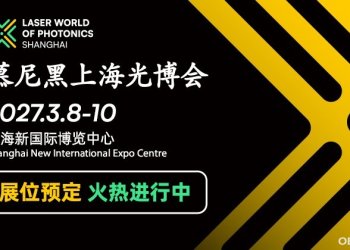 2027年慕尼黑上海光博会606 人气#光电科技资讯与展览会议
 2027第15届武汉科学仪器与实验室装备展览会606 人气#光电科技资讯与展览会议
 pitter_li
 maomao1112

 提升卡
提升卡 置顶卡
置顶卡 沉默卡
沉默卡 喧嚣卡
喧嚣卡 变色卡
变色卡 抢沙发
抢沙发 千斤顶
千斤顶 显身卡
显身卡 hope2008
 wjjandlh